


What is Equal Education Campaign?
The Equal Education Campaign is a campaign powered by parents, communities, and civil society, striving to guarantee that every child in India receives high-quality education—regardless of background, region, gender, or family income.
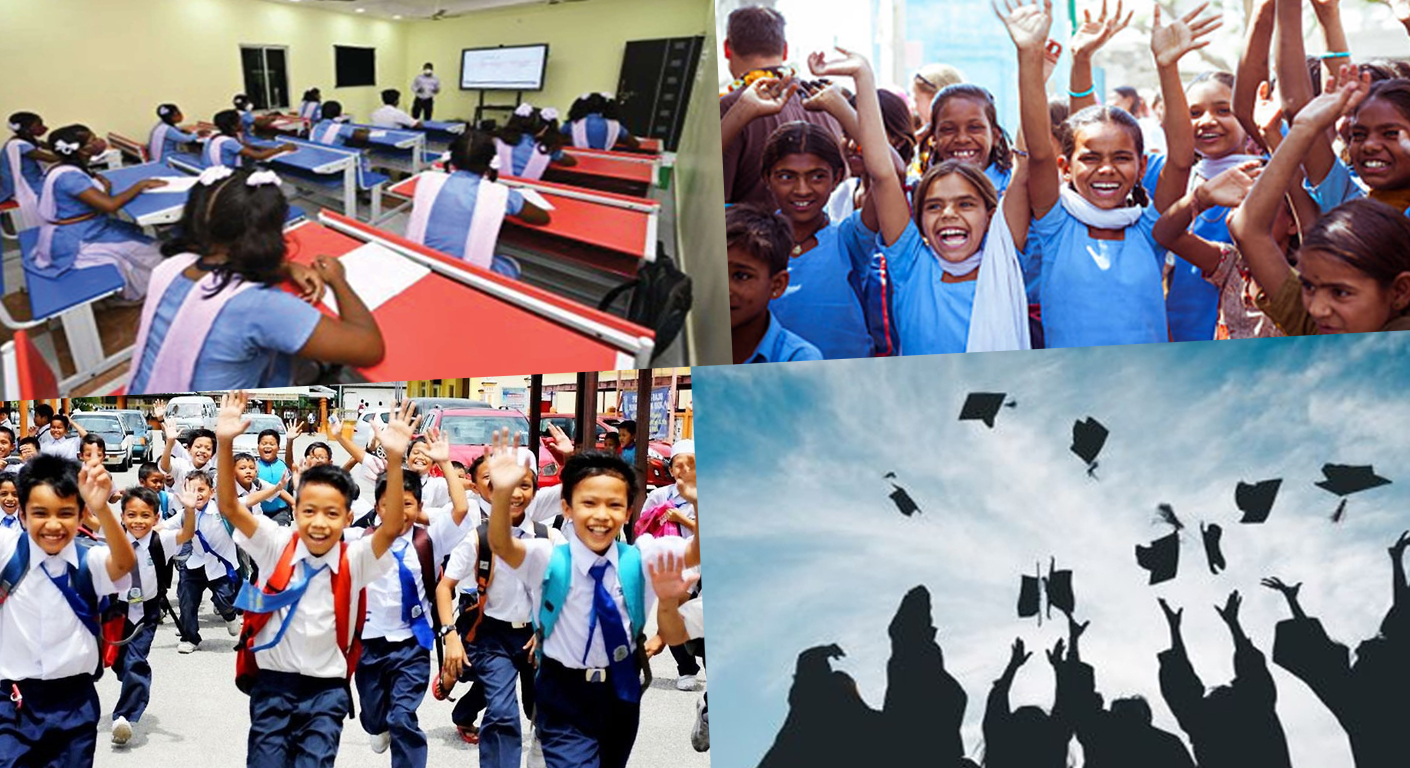
Why Equal Education Matters
“Equal education” means every child should have access to the same quality of schooling. It is rooted in foundational international documents like the Universal Declaration of Human Rights and the United Nations’ Sustainable Development Goal 4 (SDG 4), which calls for inclusive and equitable quality education for all by 2030. The campaign believes equal education is not just possible but absolutely essential. Without it, neither individual dignity nor national unity can be sustained.
At present, many government schools in India lack basic infrastructure—classrooms, trained teachers, safe drinking water, sanitation facilities, libraries, and teaching materials. By contrast, private schools in urban areas offer state-of-the-art facilities and superior learning outcomes, primarily serving children from privileged backgrounds. This disparity entrenches inequality of opportunity and makes it harder for children from poorer and rural families to fulfil their potential.
Breaking Barriers to Equality
The campaign recognizes that equal education can only be achieved by addressing every barrier that denies children quality learning. These include:
- Geographical location: Ensuring schools are accessible in rural and remote areas and have proper infrastructure.
- Financial barriers: Eliminating tuition fees and other hidden costs.
- Disability and social barriers: Supporting children with disabilities and addressing prejudices and systemic challenges faced by marginalized families and girls.
- Gender barriers: Providing safe environments and appropriate facilities for girls.
What Does Equal Education Look Like?
1. Access to Education
Every child must be able to attend school—starting early and continuing through higher education—without obstacles relating to location, finances, disability, or discrimination.
2. Quality Education
It’s not enough to enrol children in school—the education must be of the same high standard for everyone.
- Qualified, well-trained teachers in every classroom.
- Teaching learning materials, age-appropriate pedagogy, continuous supportive assessment.
- Well-equipped schools: books, technology, desks, sanitation, and learning materials.
- Safe, supportive environments, free from harassment or violence.
- Rigorous, inclusive curriculum that prepares all students for higher education and employment.
- Values Education to ensure that the children grow to be good citizens and imbibe humane values.
3. Equity in Education
Students with different starting points—due to disability, social adversity, or other circumstances—require additional support to achieve equal outcomes. The campaign promotes both equality (same resources for all) and equity (tailored support based on need).
4. Diversity and Inclusion
Schools should reflect India’s rich diversity, teaching multiculturalism and inclusion, and fostering respect by learning together across lines of caste, religion, gender, disability, and economic status.
5. Equal Opportunity
Education must level the playing field, offering every child a route to higher income, better health, active citizenship, and a fulfilling life—rather than reinforcing existing inequalities.
People-Powered Change
History shows that even basic rights are only realized when citizens demand them. Governments respond to persistent, organized calls for change—especially when these demands are rooted in communities and reflect collective aspiration. The Equal Education Campaign is therefore not just about advocacy; it’s about mobilizing families, neighbourhoods, students, and educators to work together as agents of change.
Civil Society (EEC volunteers) acts as catalyst and facilitator in this journey, but the driving force is the people themselves. United, persistent, and informed voices can ensure every Indian child receives the education—and the opportunity—she or he deserves.
Join us to make equal education a reality for all!